
- Home
- About Us
- ServicesMedication AdherenceStay on track with your prescriptions at Circle S Pharmacy in Pahokee for better health and savings.Medication SynchronizationCoordinate your prescriptions into one monthly pickup at Circle S Pharmacy for total convenience.Medication Therapy ManagementGet expert medication reviews and personalized consultations at Circle S Pharmacy in Pahokee.Patient CounselingTalk one-on-one with our expert pharmacist in Pahokee to understand your meds and stay healthy.Over the Counter (OTC) ProductsShop affordable over-the-counter health essentials and wellness products at Circle S Pharmacy.Diabetic SuppliesFind reliable diabetic supplies and expert management support right here at Circle S Pharmacy.Prior Authorization AssistanceCircle S Pharmacy simplifies the insurance approval process for Pahokee patients.Pet MedicationsCircle S Pharmacy provides affordable pet medications and easy drive-thru pickup for your furry friends.Dollar ProgramCircle S Pharmacy offers the Dollar Program and medication savings program for affordable Pahokee prescriptions.Amazon Pickup & UPS Access PointCircle S Pharmacy is your local place for secure Amazon and UPS package pickup and shipping in Pahokee.Drive-ThruCircle S Pharmacy offers the only independent drive-thru in Pahokee for fast and easy pickup.Emergency Delivery ServiceCircle S Pharmacy provides emergency prescription delivery to Pahokee residents in urgent situations.12 services availableView all services
- Mobile
- Appointment
- Blogs
- More












Our Blogs
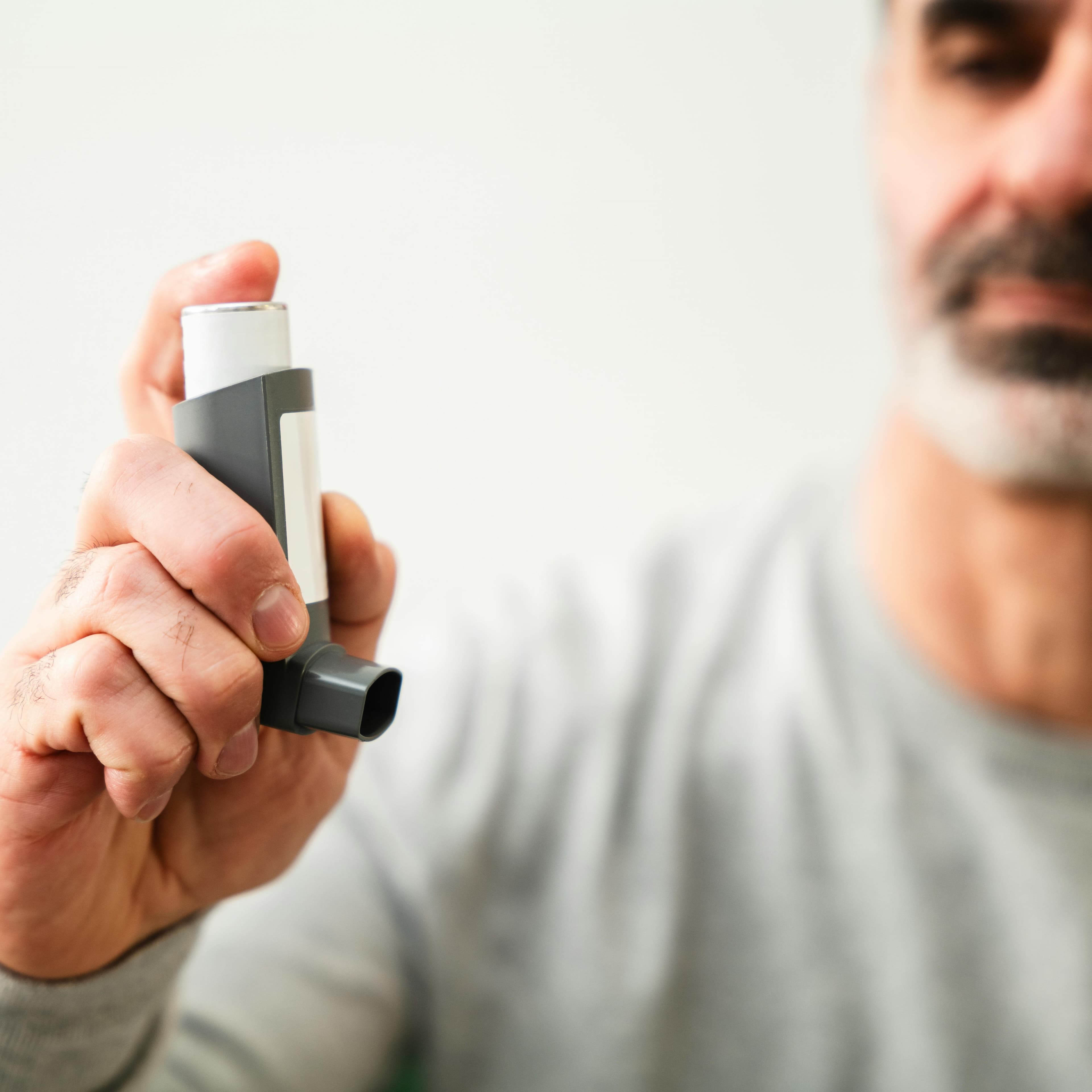
Understanding Asthma: Symptoms, Triggers, Types, and Treatment
Asthma is a chronic respiratory condition that affects millions of people worldwide. It is characterized by inflammation and narrowing of the airways, leading to breathing difficulties. While asthma can occur at any age, it often begins in childhood and can persist into adulthood. Understanding its symptoms, types, triggers, and treatments, is essential for effective management and a better quality of life.
What Is Asthma?
It is a long term condition that causes the airways in the lungs to become inflamed and narrow. This inflammation makes the airways extra sensitive to various triggers, causing episodes of wheezing, breathlessness, chest tightness, and coughing. These episodes are commonly referred to as asthma attacks or flare ups.
Common Symptoms:
Symptoms can vary in intensity and frequency. The most common signs include:
- Wheezing: A high pitched whistling sound when breathing, especially during exhalation.
- Shortness of Breath: Difficulty in taking a full breath, often worsened during exercise or at night.
- Chest Tightness: A feeling of pressure or tightness in the chest.
- Coughing: Particularly at night or early in the morning, sometimes with mucus.
Asthma symptoms can range from mild to severe and may be occasional or persistent. Recognizing these signs early is crucial to managing the condition before it worsens.
Types:
There are several types of asthma, each with specific triggers and characteristics:
-
Allergic Asthma: Triggered by allergens such as pollen, dust mites, pet dander, or mold.
-
Non-Allergic Asthma: Triggered by factors like stress, cold air, exercise, or strong odors.
-
Exercise-Induced Bronchoconstriction (EIB): Occurs during or after physical activity.
-
Occupational Asthma: Caused by exposure to irritants in the workplace.
-
Childhood Asthma: Affects children and may improve or worsen with age.
What Are The Triggers?
Understanding what triggers asthma is essential for prevention and control. Common triggers include:
- Environmental allergens (pollen, dust, mold)
- Tobacco smoke and air pollution
- Respiratory infections like colds or flu
- Physical exertion
- Weather changes, especially cold air
- Emotional stress and anxiety
- Strong odors or fumes
Recognizing your specific triggers can help you take proactive steps to avoid them.
Diagnosis and Monitoring:
Asthma is usually diagnosed based on your medical history, a physical exam, and breathing tests such as spirometry. This test measures how much air you can exhale and how quickly, which helps determine the severity of your asthma.
Doctors may also use peak flow meters to monitor how well air moves out of your lungs. Regular monitoring helps track your asthma control and detect early signs of a flare up.
Treatment and Management:
While there is no permanent cure for asthma, it can be effectively managed with the right treatment plan. The main goals are to reduce inflammation, prevent symptoms, and improve breathing.
Medications are typically divided into two categories:
- Quick Relief Medications (Rescue Inhalers): Such as albuterol, used during asthma attacks to quickly open the airways.
- Long Term Control Medications: Such as inhaled corticosteroids, leukotriene modifiers, or long acting beta agonists, used daily to prevent symptoms and reduce inflammation.
Proper inhaler technique is crucial for medication effectiveness. Your pharmacist can show you how to use inhalers correctly and help you choose spacer devices if needed.
Action Plan:
Every asthma patient should have a personalized action plan developed with their healthcare provider. This plan outlines:
- Daily medications and dosages
- How to recognize worsening symptoms
- What to do in case of an asthma attack
- When to seek emergency help
Lifestyle Tips:
- Avoid smoking and exposure to secondhand smoke.
- Use air purifiers and keep your home clean to reduce allergens.
- Warm up before exercise and consider using a preventive inhaler.
- Get vaccinated against flu and pneumonia to prevent respiratory infections.
- Manage stress through breathing exercises, yoga, or meditation.
Conclusion:
Living with asthma doesn't have to limit your life. With a clear understanding of your symptoms, triggers, and treatment options, you can take control of your condition and breathe easier. Early recognition, consistent medication use, and support from your pharmacy team are essential steps in managing asthma effectively.