- Home
- About Us
- ServicesMedication AdherenceStay on track with your prescriptions at Circle S Pharmacy in Pahokee for better health and savings.Medication SynchronizationCoordinate your prescriptions into one monthly pickup at Circle S Pharmacy for total convenience.Medication Therapy ManagementGet expert medication reviews and personalized consultations at Circle S Pharmacy in Pahokee.Patient CounselingTalk one-on-one with our expert pharmacist in Pahokee to understand your meds and stay healthy.Over the Counter (OTC) ProductsShop affordable over-the-counter health essentials and wellness products at Circle S Pharmacy.Diabetic SuppliesFind reliable diabetic supplies and expert management support right here at Circle S Pharmacy.Prior Authorization AssistanceCircle S Pharmacy simplifies the insurance approval process for Pahokee patients.Pet MedicationsCircle S Pharmacy provides affordable pet medications and easy drive-thru pickup for your furry friends.Dollar ProgramCircle S Pharmacy offers the Dollar Program and medication savings program for affordable Pahokee prescriptions.Amazon Pickup & UPS Access PointCircle S Pharmacy is your local place for secure Amazon and UPS package pickup and shipping in Pahokee.Drive-ThruCircle S Pharmacy offers the only independent drive-thru in Pahokee for fast and easy pickup.Emergency Delivery ServiceCircle S Pharmacy provides emergency prescription delivery to Pahokee residents in urgent situations.12 services availableView all services
- Mobile
- Appointment
- Blogs
- More








Our Blogs
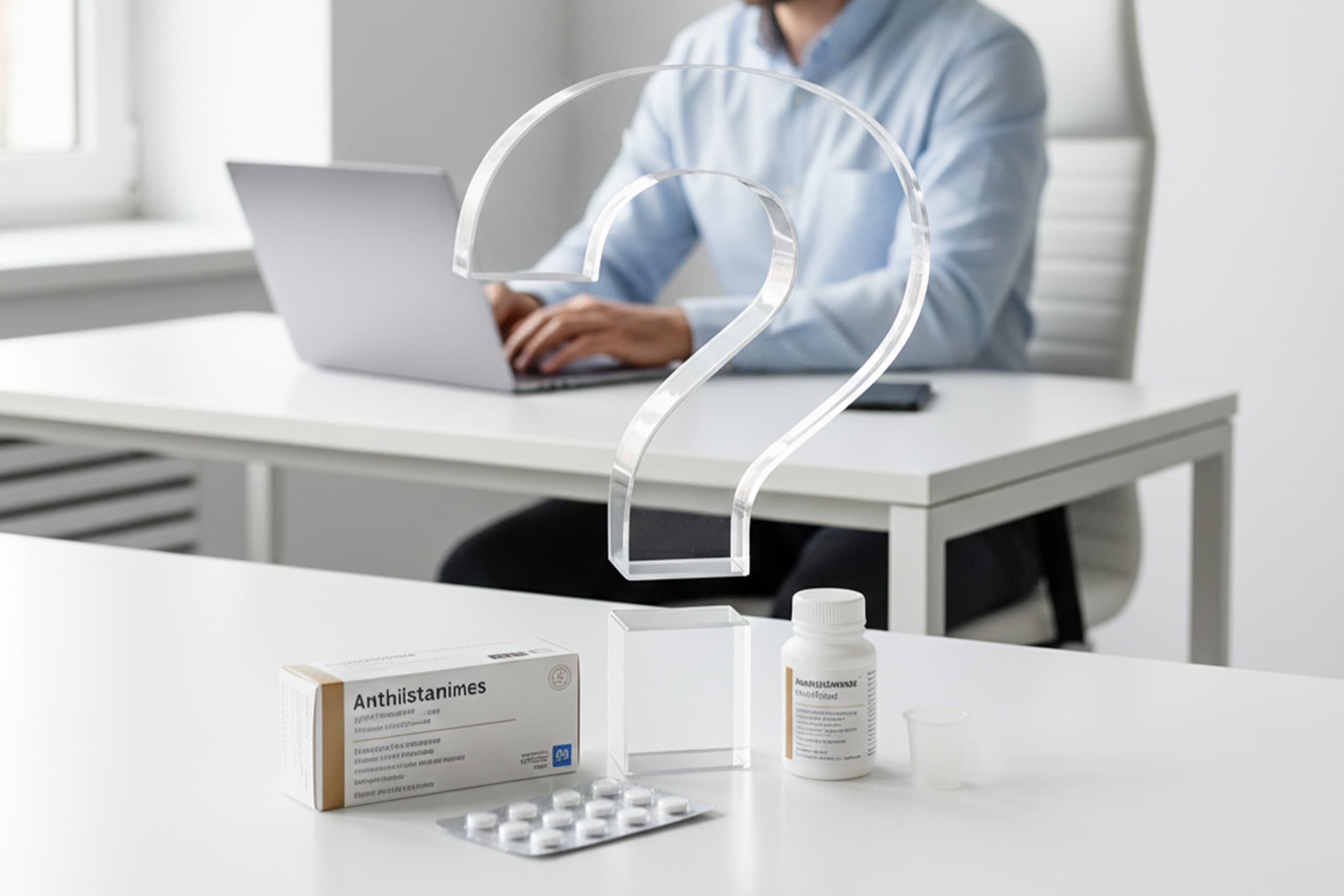
Non-Drowsy Antihistamines: Best Daytime Allergy Options
Sleepy or non-drowsy: how to choose the right allergy medicine
The trees are blooming, and your eyes are watering so much you can barely see them. You head to the allergy aisle and meet a wall of boxes: 24-hour, nighttime, non-drowsy, original strength. You want the sneezing to stop, but you also have a meeting at 2:00 and can't afford to feel foggy.
The key is knowing which generation of antihistamine you are holding. Here is how to pick one that fits your day and keeps you safe.
How antihistamines work
When you breathe in pollen, dust, or pet dander, your immune system mistakes it for an invader and releases histamine. Histamine attaches to receptors in your nose and eyes and sets off itching, sneezing, swelling, and a runny nose. Antihistamines block those receptors, turning down the alarm.
First generation
The sleepy classics
Diphenhydramine (Benadryl), chlorpheniramine, doxylamine. Short acting, often taken every 4 to 6 hours, and they reach the brain easily.
Second generation
The workday options
Loratadine, fexofenadine, cetirizine, levocetirizine. One dose lasts about 24 hours, with far less sedation.
First generation: why they make you sleepy
In your brain, histamine helps keep you alert. Older antihistamines cross into the brain easily and block it there too, so drowsiness is common. They can help with short-term nighttime itching or sneezing, or an occasional flare of hives. For most daily allergy symptoms, a second-generation option works as well without the fog.
Don't drive after a sleepy antihistamine
In driving studies, diphenhydramine impaired performance, on some measures more than alcohol did. People often don't feel how impaired they are, and the effect can last into the next morning.
Adults over 65 face extra risks, including confusion, constipation, trouble urinating, and falls. Many nighttime pain relievers and sleep aids contain these same ingredients, so check labels to avoid doubling up.
Second generation: know the differences
These enter the brain much less, so they cause far less sleepiness. Non-drowsy does not mean never drowsy, though. Take your first dose on a day you don't need to drive.
Loratadine (Claritin)
Among the least likely to cause drowsiness. Some people find it milder, and it works best taken daily through the season.
Fexofenadine (Allegra)
Very low sedation. Take it with water, not apple, orange, or grapefruit juice, which can cut how much you absorb.
Cetirizine (Zyrtec) and levocetirizine (Xyzal)
Often feel faster and stronger for itching and runny nose. In cetirizine's studies, about 14 percent felt drowsy at 10 mg compared with 6 percent on placebo.
New label warning for long-term users
In 2025 the FDA added a warning that some people who stop cetirizine or levocetirizine after months of daily use develop intense itching. If you take one most days, ask your pharmacist how to stop gradually instead of quitting suddenly.
The "D" factor: a warning for your heart
Claritin-D, Zyrtec-D, and Allegra-D add pseudoephedrine, a decongestant that shrinks swollen blood vessels in your nose. It works, but it is also a stimulant that can raise heart rate and blood pressure and keep you awake. Because of federal limits, these products are kept behind the pharmacy counter and you will need to show ID.
Some "PE" products use oral phenylephrine instead. The FDA has proposed removing it because studies found it doesn't relieve congestion, so it may not be worth your money.
Ask a pharmacist before using a "D" product if you have
- High blood pressure or heart disease
- An overactive thyroid
- Diabetes
- Glaucoma
- An enlarged prostate or trouble urinating
- Taken an MAOI antidepressant in the last 14 days
If stuffiness is your main problem, a daily steroid nasal spray such as fluticasone or triamcinolone often works better than any pill. It takes a few days to reach full effect. Saline rinses help too, with no stimulant risk.
Your quick decision guide
| What you need | Best fit | Drowsiness risk |
|---|---|---|
| Daytime relief, least drowsiness | Loratadine or fexofenadine | Lowest |
| Stronger itch control | Cetirizine or levocetirizine | Low to moderate |
| Stuffy nose most days | Steroid nasal spray | Very low |
| Short-term congestion, healthy heart | A "D" combination | Low, but stimulant risks |
| Nighttime itch, no driving | Diphenhydramine, briefly | High |
Antihistamines don't treat anaphylaxis
Trouble breathing, throat tightness, swelling of the face or tongue, or feeling faint after an exposure is an emergency. Use epinephrine if you have it and call 911.
Bring to the pharmacy counter
- The allergy products you have already tried, and how they worked.
- A list of your prescriptions, especially blood pressure or heart medicines.
- Your main symptom: sneezing, itchy eyes, runny nose, or stuffiness.
Still sneezing?
If an over-the-counter antihistamine isn't enough, you may need a nasal spray, a different medicine, or a step-up plan. Ask your pharmacist for an option that fits your symptoms without causing drowsiness or blood pressure problems.