- Home
- About Us
- ServicesMedication AdherenceStay on track with your prescriptions at Circle S Pharmacy in Pahokee for better health and savings.Medication SynchronizationCoordinate your prescriptions into one monthly pickup at Circle S Pharmacy for total convenience.Medication Therapy ManagementGet expert medication reviews and personalized consultations at Circle S Pharmacy in Pahokee.Patient CounselingTalk one-on-one with our expert pharmacist in Pahokee to understand your meds and stay healthy.Over the Counter (OTC) ProductsShop affordable over-the-counter health essentials and wellness products at Circle S Pharmacy.Diabetic SuppliesFind reliable diabetic supplies and expert management support right here at Circle S Pharmacy.Prior Authorization AssistanceCircle S Pharmacy simplifies the insurance approval process for Pahokee patients.Pet MedicationsCircle S Pharmacy provides affordable pet medications and easy drive-thru pickup for your furry friends.Dollar ProgramCircle S Pharmacy offers the Dollar Program and medication savings program for affordable Pahokee prescriptions.Amazon Pickup & UPS Access PointCircle S Pharmacy is your local place for secure Amazon and UPS package pickup and shipping in Pahokee.Drive-ThruCircle S Pharmacy offers the only independent drive-thru in Pahokee for fast and easy pickup.Emergency Delivery ServiceCircle S Pharmacy provides emergency prescription delivery to Pahokee residents in urgent situations.12 services availableView all services
- Mobile
- Appointment
- Blogs
- More











Our Blogs
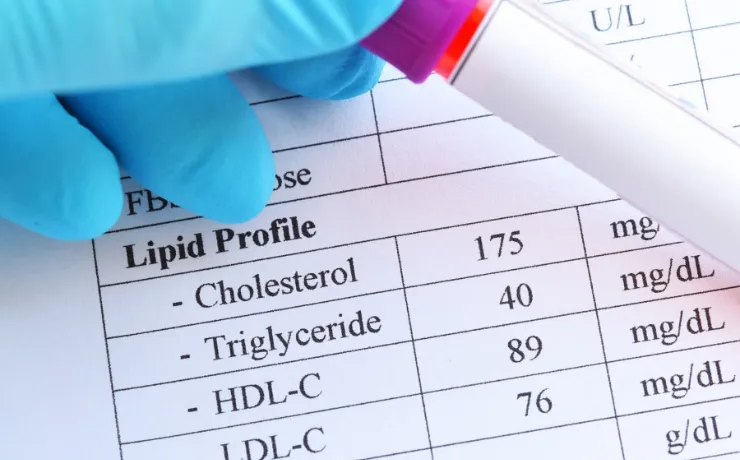
Should You Be Getting Regular Cholesterol Screenings?
Cholesterol is something most people hear about but don’t think much about until a doctor brings it up. However, cholesterol plays a major role in your long-term health, especially when it comes to your heart. High cholesterol often has no symptoms, which means you may not know there’s a problem until it leads to something serious.
That’s why regular cholesterol screenings are such an important part of preventive care. They help you understand your heart health, monitor changes over time, and take action before issues become more difficult to manage. Many pharmacies even offer convenient cholesterol testing, making it easier to stay informed.
In this guide, we’ll explain why cholesterol screenings matter, how often to get them, and how your pharmacy can support your heart-health plan.
What Is Cholesterol and Why Does It Matter?
Cholesterol is a waxy substance found in your blood. Your body needs some cholesterol for essential functions, but too much can build up in your arteries and increase your risk of heart disease.
Cholesterol is typically measured in three main parts:
-
LDL (“bad” cholesterol): can build up in arteries
-
HDL (“good” cholesterol): helps remove LDL
-
Triglycerides: another type of fat linked to heart health
When these levels are out of balance, your heart and blood vessels work harder than they should. Over time, this can lead to serious issues such as heart attack or stroke.
Because high cholesterol doesn’t cause pain or discomfort, a screening is the only way to know where your levels stand.
Why Regular Cholesterol Screenings Are Important
Many people don’t know their cholesterol levels until they are already high. Regular screenings help identify changes early so you can take steps to manage them.
Here’s why screening matters:
1. Early Detection Prevents Serious Health Problems
Heart disease often develops slowly. By monitoring cholesterol regularly, you can catch rising levels before they cause damage.
2. Cholesterol Levels Change Over Time
Diet, exercise, age, stress, and medications can all affect cholesterol. A normal level years ago doesn’t guarantee it’s normal now.
3. It Helps Guide Lifestyle and Medication Decisions
Whether you need to adjust your eating habits or start medications, screenings provide the information needed to make healthy choices.
4. It’s Quick and Convenient
Many pharmacies offer screenings that take just a few minutes. No long appointments or waiting rooms.
5. It Helps You Understand Your Personal Risk
Even if you feel healthy, cholesterol can slowly rise. Monitoring helps you stay ahead.
Who Should Get Regular Cholesterol Screenings?
While guidelines vary, most adults should have their cholesterol checked routinely. Here are general recommendations:
Adults 20 and Older
It’s recommended to get cholesterol checked every 4–6 years if you have no known risk factors.
Adults With Risk Factors
You may need more frequent screenings if you have:
-
A family history of heart disease
-
High blood pressure
-
Prehypertension
-
Diabetes or prediabetes
-
A history of smoking
-
Excess weight
-
A lifestyle with limited physical activity
-
Previous high cholesterol results
People with these factors often benefit from yearly checks.
Adults 40 and Older
At this age, screenings become even more important because heart disease risk naturally increases.
Your pharmacist or healthcare provider can help you determine the right schedule based on your personal health.
What Happens During a Cholesterol Screening?
A cholesterol screening is simple and fast. Many pharmacies use a finger-stick test, which provides results in minutes.
A typical screening will measure:
-
Total cholesterol
-
LDL (bad cholesterol)
-
HDL (good cholesterol)
-
Triglycerides
Your pharmacist can review the results with you and explain what each number means. If any levels are outside the recommended range, they can offer guidance on next steps and whether you should follow up with your doctor.
What Your Numbers May Mean
While your provider will give you a full interpretation, here are general guidelines:
-
High LDL means a higher risk of heart disease
-
Low HDL means your body isn’t clearing LDL as well
-
High triglycerides may indicate issues with diet, blood sugar, or metabolism
It’s important to remember that one screening does not diagnose a condition. Instead, it offers a snapshot that helps guide your next steps.
How Your Pharmacy Supports Cholesterol Management
Your pharmacy does more than provide the screening—it can help you manage your cholesterol over time. Here are some of the ways pharmacists support your heart health:
1. Reviewing Your Medications
Some medications can raise or lower cholesterol levels. A pharmacist can check for:
-
Possible interactions
-
Duplicates
-
Medications that may impact lipids
-
Ways to improve effectiveness
This helps you stay on a safe and consistent treatment plan.
2. Offering Guidance on Lifestyle Changes
Pharmacists can recommend everyday adjustments that support healthy cholesterol levels, such as:
-
Choosing heart-healthy foods
-
Increasing physical activity
-
Reducing saturated fats
-
Limiting tobacco use
-
Improving sleep and stress management
These changes can make a major difference.
3. Helping You Understand Cholesterol Medications
If your provider prescribes cholesterol-lowering medication, your pharmacist can explain:
-
How the medication works
-
When to take it
-
Possible side effects
-
How long it takes to see results
-
What to expect during follow-up tests
This helps you feel confident and informed.
4. Providing Follow-Up Screenings
Pharmacies often offer repeat screenings, making it easier to monitor your progress without scheduling extra appointments.
5. Supporting Long-Term Health Goals
Pharmacists can help create a simple plan that keeps you on track with:
-
Medication timing
-
Healthy habits
-
Monitoring schedules
-
Wellness goals
Their ongoing support helps you stay motivated.
When Should You Talk to Your Pharmacist?
You may want to ask your pharmacist about cholesterol screenings if:
-
You haven’t had a screening in years
-
You have a family history of heart issues
-
You take multiple medications
-
You have recently made lifestyle changes
-
You’re unsure what your cholesterol numbers mean
-
You want help lowering your long-term health risks
A short conversation can give you clear direction and help you understand your next steps.
The Bottom Line: Cholesterol Screenings Help Protect Your Heart
Regular cholesterol screenings are one of the simplest and most effective ways to protect your heart health. They help you identify risks early, understand your numbers, and make informed decisions about your wellness.
Your pharmacist is a convenient and knowledgeable partner in this process. Whether you need a screening, medication guidance, or support for lifestyle changes, your pharmacy can help you stay proactive and healthy.