- Home
- About Us
- ServicesMedication AdherenceStay on track with your prescriptions at Circle S Pharmacy in Pahokee for better health and savings.Medication SynchronizationCoordinate your prescriptions into one monthly pickup at Circle S Pharmacy for total convenience.Medication Therapy ManagementGet expert medication reviews and personalized consultations at Circle S Pharmacy in Pahokee.Patient CounselingTalk one-on-one with our expert pharmacist in Pahokee to understand your meds and stay healthy.Over the Counter (OTC) ProductsShop affordable over-the-counter health essentials and wellness products at Circle S Pharmacy.Diabetic SuppliesFind reliable diabetic supplies and expert management support right here at Circle S Pharmacy.Prior Authorization AssistanceCircle S Pharmacy simplifies the insurance approval process for Pahokee patients.Pet MedicationsCircle S Pharmacy provides affordable pet medications and easy drive-thru pickup for your furry friends.Dollar ProgramCircle S Pharmacy offers the Dollar Program and medication savings program for affordable Pahokee prescriptions.Amazon Pickup & UPS Access PointCircle S Pharmacy is your local place for secure Amazon and UPS package pickup and shipping in Pahokee.Drive-ThruCircle S Pharmacy offers the only independent drive-thru in Pahokee for fast and easy pickup.Emergency Delivery ServiceCircle S Pharmacy provides emergency prescription delivery to Pahokee residents in urgent situations.12 services availableView all services
- Mobile
- Appointment
- Blogs
- More







Our Blogs
Managing Hypertension: A Guide to Understanding and Controlling High Blood Pressure
Hypertension, commonly known as high blood pressure, is one of the most prevalent chronic conditions worldwide. Often called the “silent killer,” hypertension can go unnoticed for years while damaging your heart, blood vessels, kidneys, and other vital organs. Understanding how to detect, manage, and control hypertension is key to living a longer, healthier life.
What is Hypertension?
Blood pressure is the force exerted by circulating blood against the walls of the body’s arteries. Hypertension occurs when this pressure remains consistently high, usually defined as 130/80 mmHg or higher. Over time, uncontrolled high blood pressure can lead to serious health problems such as heart attacks, strokes, and kidney disease.
Causes and Risk Factors:
Several factors can contribute to the development of hypertension, including:
- Genetics and family history
- Unhealthy diet (especially high in sodium)
- Sedentary lifestyle
- Obesity
- Excessive alcohol consumption
- Smoking
- Stress
- Age (risk increases with age)
- Chronic conditions like diabetes or kidney disease
Recognizing the Symptoms:
Most people do not experience symptoms, which is why regular blood pressure checks are essential. However, in severe cases or hypertensive crises, symptoms may include:
- Headaches
- Blurred vision
- Chest pain
- Shortness of breath
- Fatigue
- Irregular heartbeat
These signs should never be ignored and warrant immediate medical attention.
Types of Hypertension:
-
Primary (Essential): Develops gradually over years with no identifiable cause.
-
Secondary: Caused by underlying conditions like kidney disease, adrenal gland disorders, or certain medications.
Diagnosis and Monitoring:
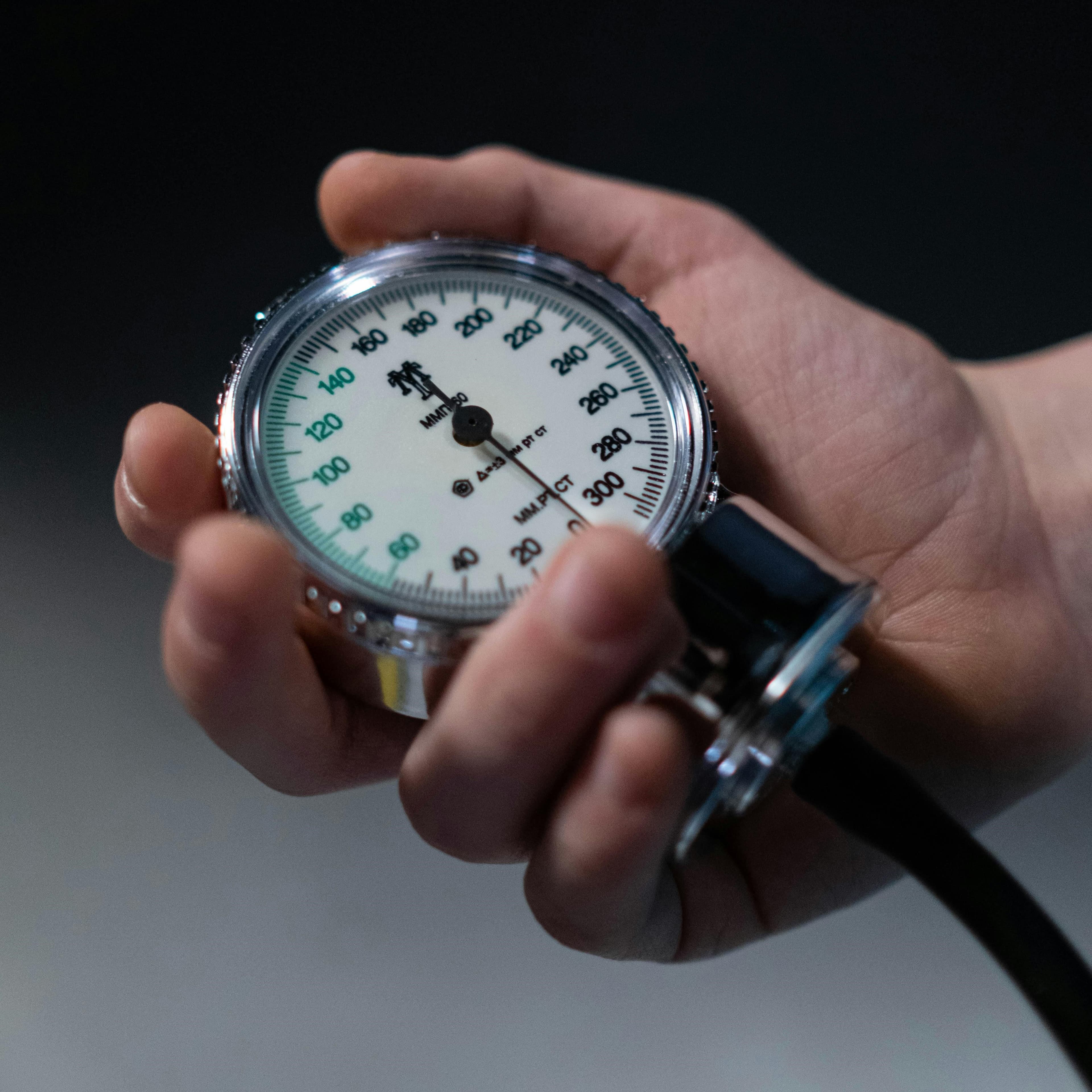
Hypertension is diagnosed through repeated blood pressure readings. It’s often monitored using a blood pressure cuff, either in a clinical setting or with a home monitor. Tracking blood pressure regularly helps assess how well your management strategies are working.
Stages of Hypertension:
- Normal: Less than 120/80 mmHg
- Elevated: 120-129/<80 mmHg
- Stage 1: 130-139/80-89 mmHg
- Stage 2: 140+/90+ mmHg
- Hypertensive Crisis: >180/>120 mmHg – requires emergency care
Management and Treatment:
The goal of treatment is to lower blood pressure to safe levels and prevent complications. This typically involves lifestyle changes and, in some cases, medication.
Lifestyle Changes:
- Reduce sodium intake: Aim for less than 2,300 mg per day.
- Eat a balanced diet: Rich in fruits, vegetables, whole grains, and low fat dairy (DASH diet).
- Exercise regularly: At least 150 minutes of moderate aerobic activity per week.
- Maintain a healthy weight.
- Limit alcohol consumption.
- Quit smoking.
- Manage stress through techniques like yoga, mindfulness, or deep breathing.
Medication Options:
There are several classes of medications used to control blood pressure:
- Diuretics (e.g., hydrochlorothiazide)
- ACE inhibitors (e.g., lisinopril)
- ARBs (e.g., losartan)
- Beta-blockers (e.g., metoprolol)
- Calcium channel blockers (e.g., amlodipine)
Doctors may prescribe one or more medications depending on your specific health profile. It’s important to take your medications as directed and never stop without consulting your provider.
Tips for Long-Term Control:
- Set reminders to take medication daily.
- Keep a blood pressure diary or use a tracking app.
- Make regular follow ups with your doctor or pharmacist.
- Involve family members for support and accountability.
Conclusion
Hypertension is a manageable condition, but it requires awareness, consistent monitoring, and proactive care. By making smart lifestyle choices and working closely with your healthcare providers, including your pharmacy team, you can reduce your risk of complications and improve your quality of life.
Don’t wait for symptoms to appear, get your blood pressure checked regularly and take charge of your heart health today.