
- Home
- About Us
- ServicesMedication AdherenceStay on track with your prescriptions at Circle S Pharmacy in Pahokee for better health and savings.Medication SynchronizationCoordinate your prescriptions into one monthly pickup at Circle S Pharmacy for total convenience.Medication Therapy ManagementGet expert medication reviews and personalized consultations at Circle S Pharmacy in Pahokee.Patient CounselingTalk one-on-one with our expert pharmacist in Pahokee to understand your meds and stay healthy.Over the Counter (OTC) ProductsShop affordable over-the-counter health essentials and wellness products at Circle S Pharmacy.Diabetic SuppliesFind reliable diabetic supplies and expert management support right here at Circle S Pharmacy.Prior Authorization AssistanceCircle S Pharmacy simplifies the insurance approval process for Pahokee patients.Pet MedicationsCircle S Pharmacy provides affordable pet medications and easy drive-thru pickup for your furry friends.Dollar ProgramCircle S Pharmacy offers the Dollar Program and medication savings program for affordable Pahokee prescriptions.Amazon Pickup & UPS Access PointCircle S Pharmacy is your local place for secure Amazon and UPS package pickup and shipping in Pahokee.Drive-ThruCircle S Pharmacy offers the only independent drive-thru in Pahokee for fast and easy pickup.Emergency Delivery ServiceCircle S Pharmacy provides emergency prescription delivery to Pahokee residents in urgent situations.12 services availableView all services
- Mobile
- Appointment
- Blogs
- More











Our Blogs
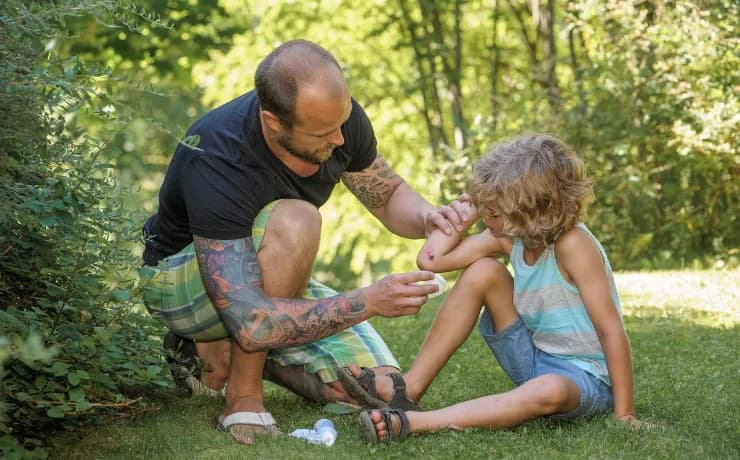
First Aid Tips Every Parent Should Know
Accidents can happen anywhere—at home, at school, or during a family outing. While you can’t predict every mishap, knowing basic first aid can make all the difference in keeping your child safe and healthy.
This guide covers essential first aid tips for parents, from handling minor scrapes to responding in more serious situations, so you can feel confident in an emergency.
Why Every Parent Should Learn First Aid
Children are naturally curious and active, which means bumps, cuts, and other minor injuries are part of growing up. In most cases, quick action and proper care can prevent complications.
By learning first aid, you:
-
Stay calm in emergencies
-
Provide immediate, effective care
-
Reduce the risk of infections or complications
-
Gain time until professional help arrives
Building a Family First Aid Kit
Before we get into specific tips, make sure you have a well-stocked first aid kit at home and in your car.
Essentials include:
-
Adhesive bandages in different sizes
-
Sterile gauze pads and adhesive tape
-
Antiseptic wipes or solution
-
Tweezers and small scissors
-
Disposable gloves
-
Digital thermometer
-
Cold packs
-
First aid manual or guide
Check your kit regularly to replace used or expired items.
Common First Aid Situations and How to Handle Them
1. Cuts and Scrapes
What to do:
-
Wash your hands before touching the wound.
-
Rinse the cut under clean running water to remove dirt.
-
Apply gentle pressure with a sterile gauze pad to stop bleeding.
-
Use an antiseptic and cover with a clean bandage.
-
Change the dressing daily or when wet/dirty.
Seek medical help if the wound is deep, bleeding heavily, or caused by a dirty object.
2. Burns
For minor burns:
-
Cool the burn under cool (not cold) running water for 10–15 minutes.
-
Remove any tight clothing or jewelry from the area.
-
Cover with a sterile, non-stick bandage.
Do not:
-
Use ice directly on a burn.
-
Apply butter, oil, or toothpaste.
Get medical attention if the burn is large, blistered, or affects the face, hands, feet, or genitals.
3. Choking
If your child is choking and cannot speak, cough, or breathe:
-
Stand behind them and give five back blows between the shoulder blades.
-
If unsuccessful, perform the Heimlich maneuver—place your fist above their belly button and give quick upward thrusts.
Call emergency services immediately if the blockage is not cleared.
4. Nosebleeds
-
Have your child sit upright and lean slightly forward.
-
Pinch the soft part of the nose for about 10 minutes.
-
Apply a cold pack to the bridge of the nose.
Avoid tilting the head back—it can cause blood to flow into the throat.
5. Fevers
-
Use a digital thermometer to check temperature.
-
Keep your child hydrated and dressed in lightweight clothing.
-
Consult a healthcare provider if the fever is high, lasts more than a couple of days, or is accompanied by other symptoms.
6. Insect Bites and Stings
-
Remove the stinger with tweezers if visible.
-
Wash the area with soap and water.
-
Apply a cold pack to reduce swelling.
-
Use over-the-counter remedies to ease itching if recommended by your healthcare provider.
Seek immediate help if your child shows signs of an allergic reaction, such as difficulty breathing or swelling of the face.
7. Sprains and Strains
-
Rest the injured area.
-
Apply ice wrapped in a cloth for 20 minutes at a time.
-
Compress with an elastic bandage if necessary.
-
Elevate the limb above heart level to reduce swelling.
Staying Calm in Emergencies
Children often look to their parents for cues. If you remain calm, they are more likely to feel reassured. Remember:
-
Take a deep breath before acting.
-
Speak in a soothing voice.
-
Keep movements gentle and controlled.
When to Call for Professional Help
Even with first aid skills, some situations require immediate medical care. Call emergency services if your child:
-
Is unconscious or not breathing
-
Has a suspected broken bone with visible deformity
-
Suffers a head injury with confusion or vomiting
-
Has severe allergic reactions
-
Experiences prolonged seizures
First Aid Education for Parents
Consider taking a certified CPR and First Aid course. Many community centers, hospitals, and pharmacies offer training that covers both adult and pediatric emergencies.
The Role of Your Pharmacist
Your pharmacist can:
-
Recommend first aid kit essentials
-
Suggest appropriate over-the-counter medications for minor injuries
-
Provide advice on wound care and safe medication use for children
They’re an accessible resource for quick, reliable health information.
Final Thoughts
First aid is a skill every parent should have. With the right knowledge and supplies, you can handle everyday mishaps confidently and act quickly in emergencies.
Start today by reviewing your family’s first aid kit, learning basic CPR, and talking to your pharmacist about safe, effective care options.