
- Home
- About Us
- ServicesMedication AdherenceStay on track with your prescriptions at Circle S Pharmacy in Pahokee for better health and savings.Medication SynchronizationCoordinate your prescriptions into one monthly pickup at Circle S Pharmacy for total convenience.Medication Therapy ManagementGet expert medication reviews and personalized consultations at Circle S Pharmacy in Pahokee.Patient CounselingTalk one-on-one with our expert pharmacist in Pahokee to understand your meds and stay healthy.Over the Counter (OTC) ProductsShop affordable over-the-counter health essentials and wellness products at Circle S Pharmacy.Diabetic SuppliesFind reliable diabetic supplies and expert management support right here at Circle S Pharmacy.Prior Authorization AssistanceCircle S Pharmacy simplifies the insurance approval process for Pahokee patients.Pet MedicationsCircle S Pharmacy provides affordable pet medications and easy drive-thru pickup for your furry friends.Dollar ProgramCircle S Pharmacy offers the Dollar Program and medication savings program for affordable Pahokee prescriptions.Amazon Pickup & UPS Access PointCircle S Pharmacy is your local place for secure Amazon and UPS package pickup and shipping in Pahokee.Drive-ThruCircle S Pharmacy offers the only independent drive-thru in Pahokee for fast and easy pickup.Emergency Delivery ServiceCircle S Pharmacy provides emergency prescription delivery to Pahokee residents in urgent situations.12 services availableView all services
- Mobile
- Appointment
- Blogs
- More









Our Blogs
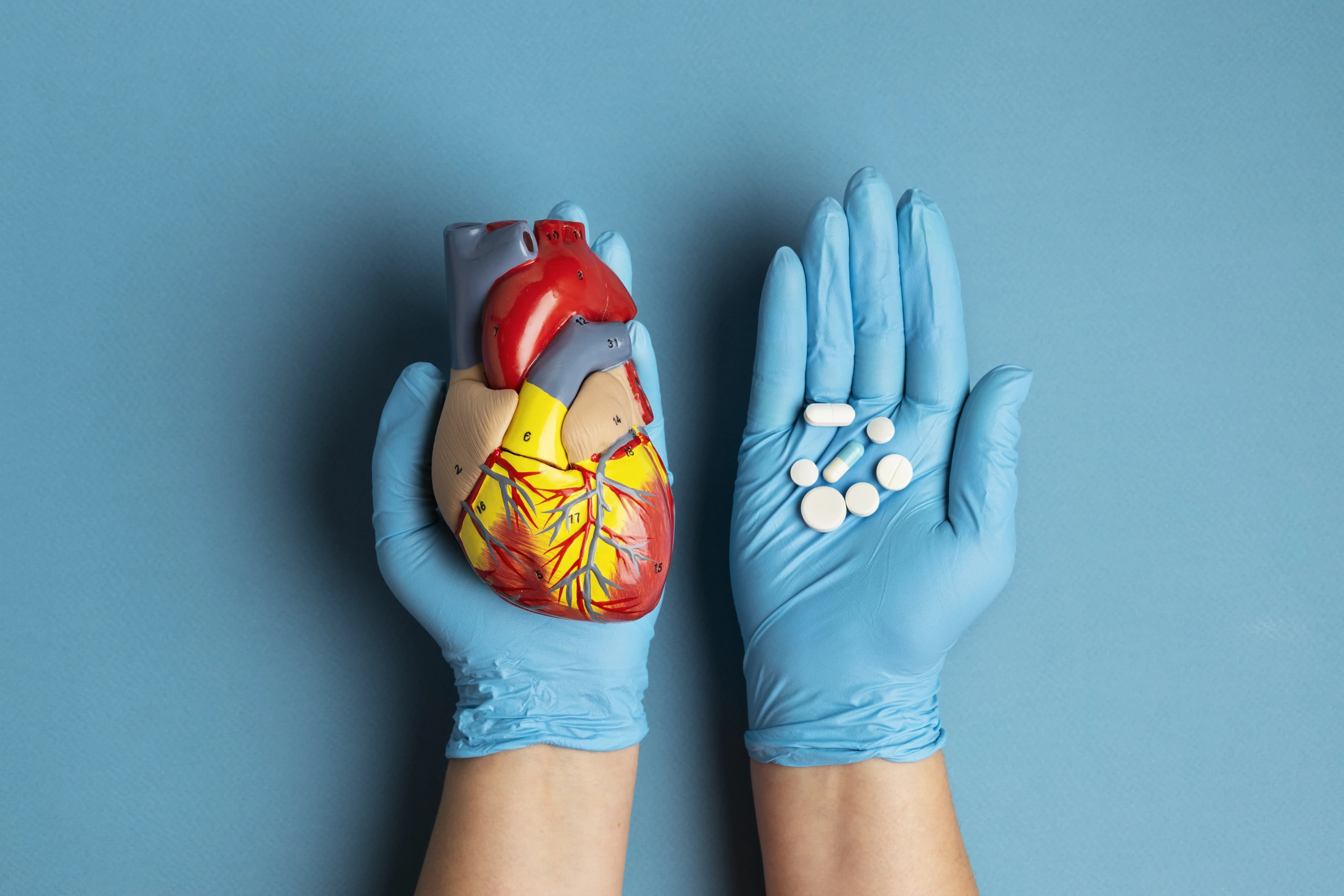
Diabetes & Heart Disease: How to Manage Both Conditions Together
Living with diabetes can increase your risk of developing heart disease, and managing both conditions can feel overwhelming at times. The good news is, with the right knowledge and support, you can take control of your health and reduce serious risks.
This article is here to help you understand the connection between diabetes and heart disease, and offer practical ways to manage both conditions safely and effectively.
The Link Between Diabetes and Heart Disease
When you have diabetes, especially type 2 diabetes, your body struggles to use insulin properly or produce enough of it. This leads to high blood sugar levels, which over time can damage blood vessels and nerves that control your heart.
People with diabetes are:
-
2 to 4 times more likely to develop heart disease
-
At a greater risk for high blood pressure, high cholesterol, and stroke
The longer you have diabetes, the higher your chances of developing heart complications. That’s why it’s important to treat both conditions as part of your overall care.
Managing Diabetes to Protect Your Heart
1. Keep Blood Sugar Under Control
-
Goal: Keep your A1C level below 7% (or as directed by your doctor)
-
How: Take medications as prescribed, monitor your blood sugar daily, and follow a balanced eating plan
2. Watch Your Blood Pressure
High blood pressure puts added strain on your heart and arteries.
-
Target: Less than 130/80 mm Hg
-
Tips: Reduce salt, stay active, and take prescribed blood pressure medications regularly
3. Manage Cholesterol Levels
High cholesterol can lead to clogged arteries and heart attack.
-
LDL (“bad”) cholesterol: Should be as low as possible
-
HDL (“good”) cholesterol: Higher levels are better
-
Triglycerides: Another fat in your blood that should be kept low
Statin medications are often prescribed to help manage cholesterol in people with diabetes.
Heart-Healthy Lifestyle Tips for People with Diabetes
1. Eat a Balanced Diet
-
Focus on: Vegetables, whole grains, lean proteins, healthy fats (like olive oil and avocado)
-
Limit: Processed foods, sugary drinks, red meat, and salty snacks
-
A registered dietitian can help you create a meal plan that supports both blood sugar and heart health
2. Get Regular Exercise
-
Aim for at least 150 minutes of moderate activity per week (like brisk walking, biking, or dancing)
-
Exercise helps improve blood flow, lower blood sugar, and strengthen your heart
3. Maintain a Healthy Weight
Even a 5-10% weight loss can significantly improve blood sugar, blood pressure, and cholesterol
4. Quit Smoking
Smoking damages blood vessels and makes diabetes and heart disease much worse
-
Talk to your pharmacist or doctor about smoking cessation aids like nicotine patches or gum
5. Limit Alcohol
Too much alcohol can raise blood pressure and interfere with blood sugar control. If you drink, do so in moderation.
Medications That Help Manage Both Conditions
If you have both diabetes and heart disease, your doctor may recommend medications that help treat both conditions at once.
1. SGLT2 Inhibitors
-
Examples: Jardiance®, Farxiga®
-
Benefits: Lower blood sugar and reduce the risk of heart failure and kidney problems
2. GLP-1 Receptor Agonists
-
Examples: Ozempic®, Trulicity®
-
Benefits: Lower blood sugar, promote weight loss, and support heart health
3. Blood Pressure & Cholesterol Medications
-
ACE inhibitors, ARBs, and statins are commonly prescribed
-
These medications help protect your heart and kidneys
Your pharmacist can help explain your medications, answer questions, and check for any drug interactions.
Monitoring and Routine Care
Managing both conditions means staying on top of your health with regular check-ins and tests.
-
A1C tests every 3–6 months
-
Blood pressure checks at every visit
-
Cholesterol panels at least once a year
-
Kidney function tests as recommended
Don’t forget routine eye and foot exams, as diabetes can affect blood vessels in those areas too.
Final Thoughts
Managing diabetes and heart disease together can feel like a challenge, but the steps you take each day make a big difference. By controlling your blood sugar, eating healthy, exercising regularly, and staying consistent with medications, you can reduce your risks and improve your quality of life.
At your local pharmacy, we're more than just a place to fill prescriptions—we’re here to support your health journey.
If you have questions about your medications or how to manage these conditions, don’t hesitate to speak with your pharmacist. We’re here to help you feel your best—one step at a time.