
- Home
- About Us
- ServicesMedication AdherenceStay on track with your prescriptions at Circle S Pharmacy in Pahokee for better health and savings.Medication SynchronizationCoordinate your prescriptions into one monthly pickup at Circle S Pharmacy for total convenience.Medication Therapy ManagementGet expert medication reviews and personalized consultations at Circle S Pharmacy in Pahokee.Patient CounselingTalk one-on-one with our expert pharmacist in Pahokee to understand your meds and stay healthy.Over the Counter (OTC) ProductsShop affordable over-the-counter health essentials and wellness products at Circle S Pharmacy.Diabetic SuppliesFind reliable diabetic supplies and expert management support right here at Circle S Pharmacy.Prior Authorization AssistanceCircle S Pharmacy simplifies the insurance approval process for Pahokee patients.Pet MedicationsCircle S Pharmacy provides affordable pet medications and easy drive-thru pickup for your furry friends.Dollar ProgramCircle S Pharmacy offers the Dollar Program and medication savings program for affordable Pahokee prescriptions.Amazon Pickup & UPS Access PointCircle S Pharmacy is your local place for secure Amazon and UPS package pickup and shipping in Pahokee.Drive-ThruCircle S Pharmacy offers the only independent drive-thru in Pahokee for fast and easy pickup.Emergency Delivery ServiceCircle S Pharmacy provides emergency prescription delivery to Pahokee residents in urgent situations.12 services availableView all services
- Mobile
- Appointment
- Blogs
- More










Our Blogs
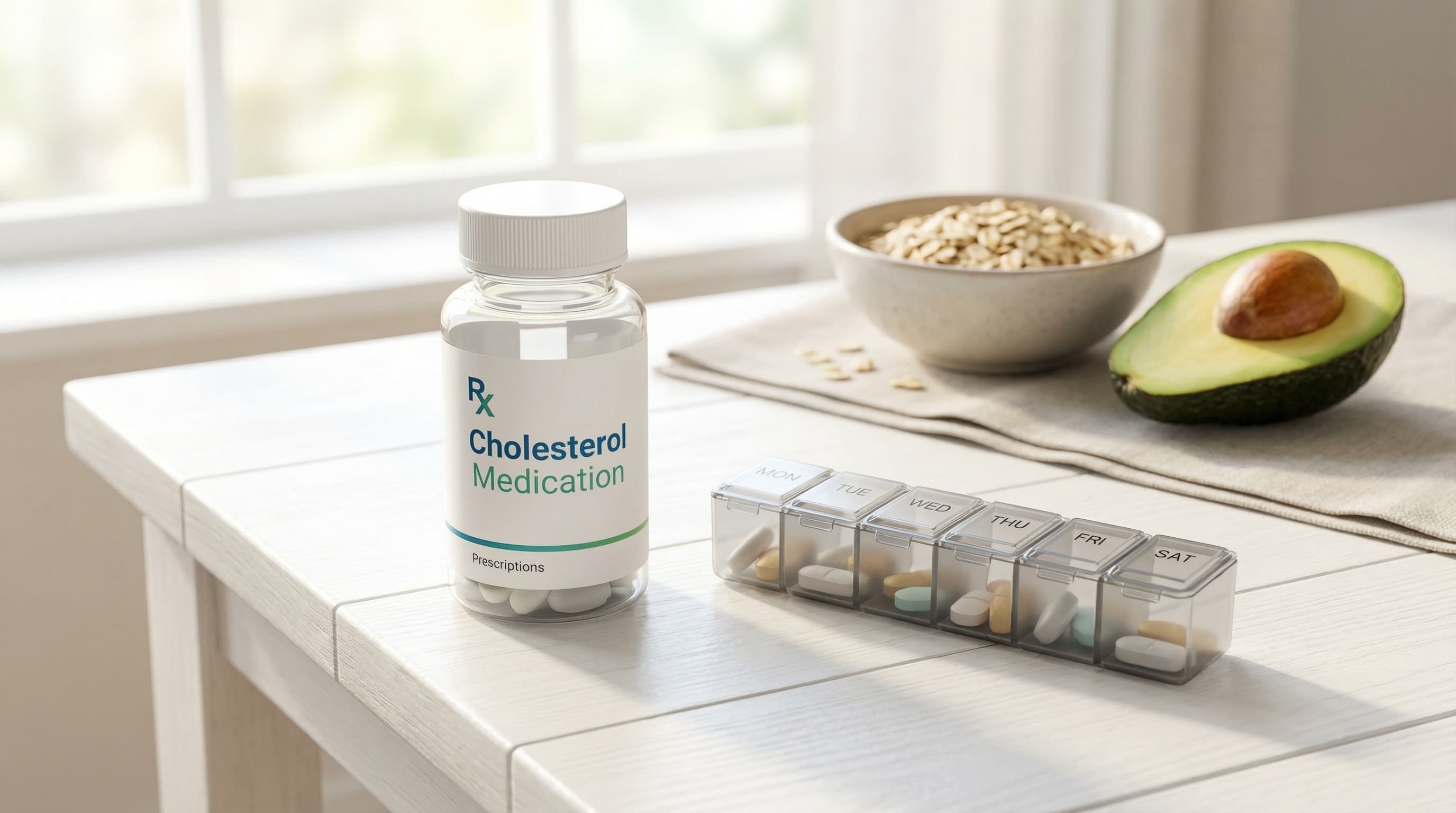
Cholesterol Medications Guide: Statins, Alternatives, and Adherence Tips
Having a high cholesterol result can raise many questions. Do you really need medication if you feel fine, especially if you are already taking pills for blood pressure or diabetes? You might also wonder how long it will take to reduce your cholesterol levels or what to do if side effects occur.
Cholesterol medications are commonly prescribed to lower LDL cholesterol and help reduce the long-term risk of heart attack and stroke. This guide explains statins, non-statin options, and practical adherence tips, along with support from your community pharmacy.
Understanding Cholesterol and Your Lab Results
Cholesterol is a fat-like substance your body uses to build cells and make certain hormones. When levels are too high, especially LDL cholesterol, plaque can build up in the arteries and narrow blood flow.
LDL, HDL, and Triglycerides
-
LDL cholesterol (low-density lipoprotein) is often called “bad” cholesterol because high levels can contribute to plaque buildup in the arteries.
-
HDL cholesterol (high-density lipoprotein) is called “good” cholesterol because it helps remove cholesterol from the arteries and transport it to the liver for elimination.
-
Triglycerides are another type of blood fat. High triglycerides may increase cardiovascular risk, especially with high LDL, diabetes, or metabolic syndrome.
Your clinician considers cholesterol numbers along with other risk factors such as age, family history, smoking, diabetes, kidney disease, and blood pressure. This helps determine whether medication is recommended and how aggressive treatment should be.
How Cholesterol Medications Support Heart Health
Lifestyle factors like nutrition, regular activity, sleep, and avoiding tobacco are important for everyone. Still, many people need medication to reach LDL goals, especially with higher cardiovascular risk or inherited high cholesterol.
Cholesterol medications are commonly recommended if:
-
You have a history of heart attack, stroke, or blocked arteries
-
You have diabetes, chronic kidney disease, or other risk-raising conditions
-
Your LDL cholesterol is very high, sometimes due to genetics
-
Your overall cardiovascular risk score is high based on multiple factors
Statins: First-Line Cholesterol Medications
Statins are widely prescribed because they lower LDL effectively and reduce cardiovascular events. They decrease cholesterol production in the liver and help the liver clear LDL from the blood.
Common Statins
-
Atorvastatin
-
Rosuvastatin
-
Simvastatin
-
Pravastatin
-
Lovastatin
Your clinician selects the statin and dose based on LDL level, risk profile, other medications, and prior tolerability. If one statin is not suitable, another option may work better.
Expected Results
Many people see LDL improvements within several weeks. The biggest benefit comes from consistent, long-term use, which reduces cardiovascular risk.
Statin Side Effects and Safety
Most people tolerate statins well, and side effects are often manageable.
Common side effects:
-
Muscle aches or cramps
-
Stomach upset
-
Headache
-
Fatigue
Contact your clinician or pharmacist if muscle symptoms are new, persistent, or interfere with daily activities. Do not stop your statin without guidance.
Rare symptoms requiring prompt evaluation:
-
Severe muscle pain with dark urine
-
Yellowing of the skin or eyes
-
Marked weakness that worsens quickly
Medication interactions:
Some medications can increase statin levels and side effects. Bring a complete list of prescriptions, over-the-counter products, and supplements to your pharmacy. Avoid combining statins with:
-
Certain antibiotics or antifungals
-
Some heart rhythm medications
-
Some HIV or hepatitis medications
-
Grapefruit or grapefruit juice
Non-Statin Cholesterol Medications
If LDL remains above goal or statins cause side effects, non-statin options may help. They can be used alone or with a statin.
Ezetimibe
Reduces LDL by decreasing cholesterol absorption in the intestines. It is often added to a statin or used for those who cannot tolerate high-dose statins. Most patients tolerate it well.
PCSK9 Inhibitors
Injectable medications that help the liver remove more LDL from the blood. They are used for very high-risk patients or those whose LDL remains high despite other therapy. Dosing may be every 2 to 4 weeks. Your pharmacy can help with storage, reminders, and refills.
Bempedoic Acid
An oral medication that lowers LDL through a liver-based pathway. Useful for additional LDL lowering or statin intolerance.
Bile Acid Sequestrants
These bind bile acids in the gut, prompting the body to use more cholesterol to make bile. They can cause constipation or bloating, but your pharmacist can suggest strategies to minimize these effects.
When Triglycerides Are the Main Concern
If triglycerides are high, prescription omega-3 products or fibrates may be considered as part of a broader treatment plan. Your clinician will guide the appropriate therapy.
Adherence Tips: How to Take Cholesterol Medications Consistently
Consistency matters because LDL-lowering and cardiovascular protection depend on regular dosing. Busy schedules, travel, caregiving, and complex medication lists can make adherence challenging.
-
Build a routine
Link your dose to a daily habit, such as brushing teeth or dinner. Pick a stable time that matches the label instructions. -
Use tools to prevent missed doses
-
Weekly pill organizer
-
Phone reminders or calendar alerts
-
Medication checklist for caregivers or households
-
-
Make refills easier
Refill gaps are a common reason for missed doses. Ask your pharmacy about:-
Automatic refills
-
Text or app reminders
-
Synchronizing multiple medications
-
90-day supplies if appropriate
-
Delivery options if transportation is difficult
-
-
Address side effects early
Speak with your pharmacy team if side effects occur. Solutions may include dose changes, switching statins, or adding a non-statin. -
Discuss cost barriers
Your pharmacy can check generics, insurance formulary options, or savings programs.
Tips for Success With Cholesterol Medications
-
Know your goal and follow-up plan: Ask your clinician about your LDL target, next lab, and expected outcomes.
-
Track symptoms and questions: Keep notes on start date, doses, missed doses, and any side effects.
-
Pair medication with heart-healthy habits: Eat high-fiber foods, exercise regularly, avoid tobacco, and follow alcohol guidelines.
-
Keep your medication list updated: Using one pharmacy helps prevent interactions, duplications, and refill issues.
FAQs About Cholesterol Medications
How long will I need to take cholesterol medication?
Many people take them long-term, especially with elevated cardiovascular risk. Your clinician may reassess over time.
Can I stop medication once cholesterol levels improve?
Stopping medication may cause LDL to rise again. Always discuss changes with your clinician first.
Are statins safe long-term?
Statins have a well-established safety record. Clinicians may monitor labs and side effects.
Conclusion: Your Pharmacy Team Can Help You Succeed
Cholesterol medications play a major role in preventing heart and blood vessel problems. The key is taking them consistently and addressing issues early.
Whether you are starting a statin, exploring non-statin options, or simplifying a complex schedule, you do not have to manage it alone. Call or visit your pharmacy for a medication review, interaction check, refill support, and help building a routine that works for you.